
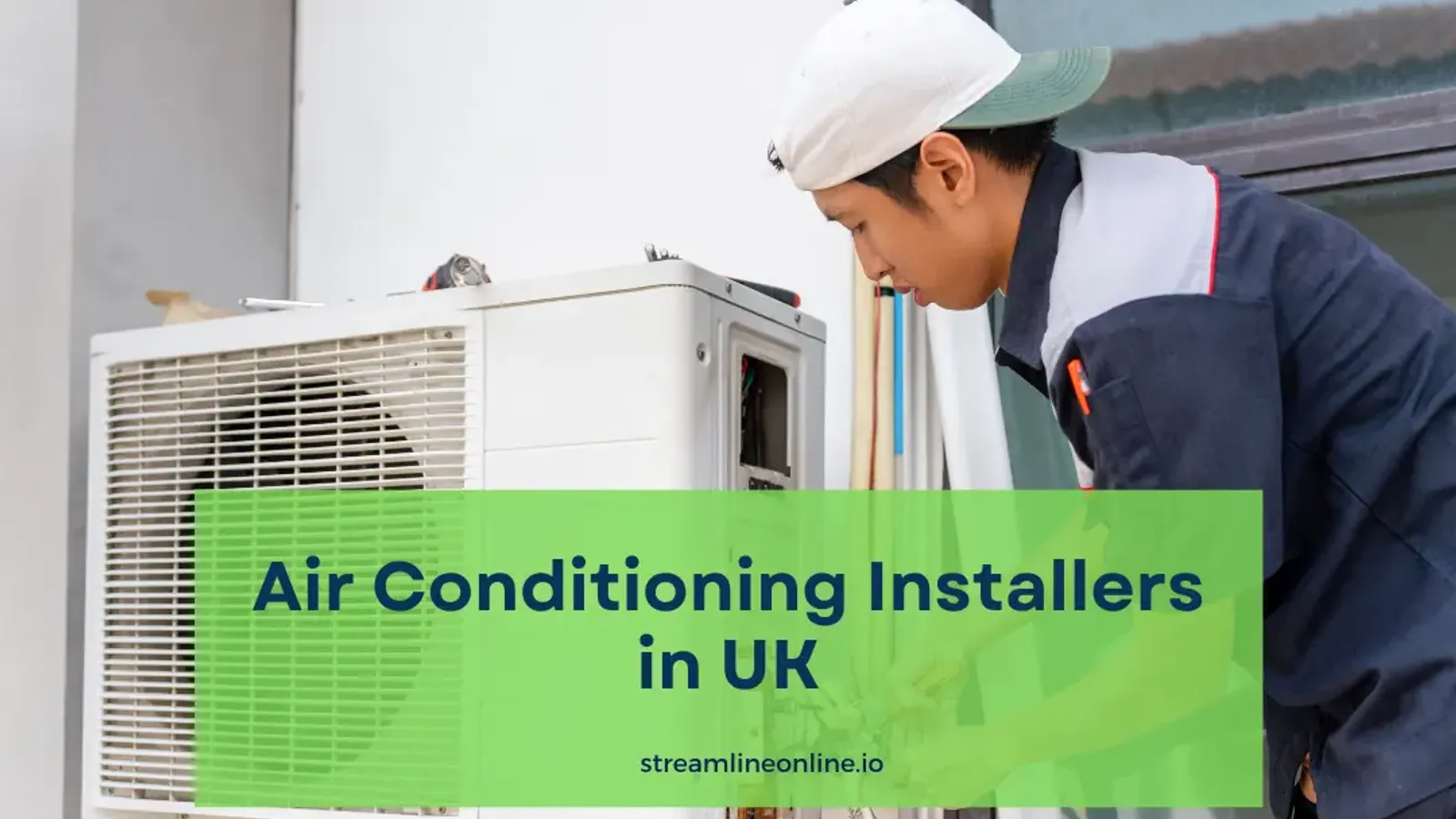
Air Conditioning Installers Near Me: Your Complete UK Guide to Professional AC Installation
Regular temperatures in the UK have been rising, making air conditioning no longer a luxury but a necessity for both homes and businesses. Whether you're installing a new system in your office, upgrading an outdated unit in your retail space, or adding climate control to your home, finding reliable air conditioning installers near you is crucial for a successful installation that delivers years of efficient cooling.
This comprehensive guide explores everything you need to know about air conditioning installers – from understanding different installation types to what qualifications installers must have, typical costs, and how to find trusted professionals serving your area.
How to Find Qualified Air Conditioning Installers Near You
Finding reputable air conditioning installers requires more than a simple internet search. The quality of installation directly impacts your system's efficiency, lifespan, and running costs, so choosing the right installer is essential.
Key Methods to Locate Installers
Online Directories and Review Platforms Specialised trade directories feature verified air conditioning installers with customer reviews, qualifications, and service areas. These platforms allow you to compare multiple installers, check credentials, and read genuine feedback from previous customers.
Professional Body Directories REFCOM (Register of Companies Competent to Work on Refrigerant Systems) and FGAS Register maintain databases of qualified installers legally permitted to handle refrigerants. Checking these registers ensures your chosen installer meets mandatory UK requirements.
Manufacturer Recommendations Leading air conditioning brands like Daikin, Mitsubishi, and Panasonic maintain networks of approved installers trained specifically on their products. Using manufacturer-approved installers often provides extended warranties and guarantees of quality workmanship.
Local Recommendations Word-of-mouth remains valuable for finding trustworthy air conditioning installers. Ask business associates, neighbours, or facility managers about their experiences with local installation companies.
What Qualifications Should Air Conditioning Installers Have?
UK regulations require specific qualifications for air conditioning installation. Never use unqualified installers, regardless of price savings, as improper installation creates safety risks, voids warranties, and may be illegal.
Essential Qualifications and Certifications
F-Gas Certification All air conditioning installers must hold valid F-Gas certification to legally handle refrigerants. This EU regulation remains UK law post-Brexit. The certification demonstrates proper training in refrigerant management, leak prevention, and environmental protection.
REFCOM Registration REFCOM registration confirms companies meet industry standards for competence, insurance, and environmental compliance. Registered companies undergo regular auditing and must maintain appropriate insurance levels.
Electrical Qualifications Air conditioning installation involves significant electrical work requiring Part P Building Regulations compliance. Installers should hold appropriate electrical qualifications (typically NVQ Level 3 or equivalent) and be registered with a competent person scheme like NICEIC or NAPIT.
Manufacturer Certifications Quality installers invest in brand-specific training, becoming certified installers for major manufacturers. These certifications ensure installers understand specific system requirements and installation procedures.
Health and Safety Credentials Professional air conditioning installers should hold Construction Skills Certification Scheme (CSCS) cards and demonstrate commitment to health and safety practices, particularly important for commercial installations.
Types of Air Conditioning Systems and Installation Complexity
Understanding different air conditioning systems helps you communicate requirements effectively and understand installation complexity and costs.
Common Air Conditioning Systems in UK Properties
Split Systems The most popular option for UK properties, split systems comprise an indoor unit and outdoor compressor connected by refrigerant pipes. Installation typically takes one day per unit and requires minimal disruption. Ideal for cooling individual rooms or specific zones.
Multi-Split Systems Multiple indoor units connect to a single outdoor compressor, perfect for cooling several rooms without multiple outdoor units. Installation is more complex than standard splits, requiring careful pipe routing and system balancing, typically taking 2-3 days.
VRV/VRF Systems (Variable Refrigerant Volume/Flow) Advanced commercial systems offering simultaneous heating and cooling in different zones. These sophisticated systems require specialist installers and are typically used in larger commercial properties, offices, and retail spaces. Installation can take several days to weeks depending on building size.
Portable Units Requiring minimal installation, portable units simply need window venting. However, air conditioning installers can provide permanent venting solutions for neater installations and improved efficiency.
Ducted Systems Concealed systems with central air handling units distributing cooled air through ductwork. Common in commercial buildings and luxury homes, these systems require significant planning and installation time, often integrated during construction or major renovations.
What Does Air Conditioning Installation Include?
Professional installation goes far beyond mounting units and connecting pipes. Comprehensive air conditioning installers provide complete end-to-end service.
Standard Installation Process
Site Survey and Assessment Quality installers conduct detailed site surveys before quoting. They assess property layout, electrical capacity, optimal unit locations, pipe routing options, and potential challenges. This survey ensures accurate quotes and identifies any preparatory work needed.
System Design and Specification Based on room sizes, usage patterns, insulation levels, and cooling requirements, installers recommend appropriate system sizes and configurations. Proper system sizing is critical – oversized systems waste energy while undersized systems struggle to maintain comfortable temperatures.
Electrical Infrastructure Installation includes all electrical work: dedicated circuits from consumer units, appropriate cable sizing, isolation switches, and RCD protection. All electrical work must comply with BS7671 wiring regulations and Building Regulations Part P.
Mounting and Positioning Indoor units require secure wall mounting, typically at high level for optimal air distribution. Outdoor units need stable mounting platforms or wall brackets, positioned to minimise noise and maximise airflow while considering neighbour proximity.
Pipework Installation Refrigerant pipes connect indoor and outdoor units, running through walls, floors, or ceilings. Professional installers conceal pipes where possible, use appropriate insulation, and ensure minimal bends to optimise system efficiency.
Refrigerant Connection and Commissioning After connecting pipework, installers vacuum the system to remove moisture and air, then charge it with correct refrigerant quantities. This critical process requires F-Gas qualified engineers using specialised equipment.
Testing and Handover Comprehensive testing ensures proper operation: checking cooling output, testing controls, verifying drainage, and confirming electrical safety. Installers should provide operation demonstrations and handover documentation including warranties, service recommendations, and emergency contacts.
How Much Do Air Conditioning Installers Charge in the UK?
Installation costs vary significantly based on system type, installation complexity, and property characteristics. Understanding typical pricing helps budget appropriately and identify unrealistic quotes.
Typical Installation Costs (2025 UK Prices)
Single Split System
- Standard installation: £1,200 – £2,500
- Including mid-range unit: £1,800 – £3,500
- Premium brands/complex installation: £3,000 – £5,000+
Multi-Split System (2-3 Indoor Units)
- Installation only: £2,500 – £4,500
- Including units: £4,000 – £8,000
- Large systems (4-5 units): £6,000 – £12,000+
Commercial VRV/VRF Systems
- Small commercial (5-10 units): £15,000 – £30,000
- Medium systems (10-20 units): £30,000 – £60,000
- Large installations: £60,000 – £150,000+
Additional Costs to Consider
- Building Regulations compliance: £200 – £500
- Electrical upgrades (if required): £300 – £1,500
- Additional pipework (beyond standard): £50 – £100 per metre
- Scaffolding/access equipment: £200 – £800
- Condensate pump installation: £150 – £300
- External platform/bracket work: £200 – £600
Factors Affecting Installation Costs
Several variables influence final installation costs:
Property Age and Type Older properties may require electrical upgrades or additional structural work. Listed buildings need special considerations and potentially planning permission, increasing costs.
Installation Accessibility Ground floor installations with easy outdoor unit access cost less than upper floor installations requiring scaffolding or specialist lifting equipment.
Pipe Run Length and Complexity Standard installations include 3-5 metres of pipework. Longer runs, multiple floors, or complex routing through difficult spaces increase costs significantly.
Number of Units Multiple units reduce per-unit installation costs due to economies of scale, though total project costs increase.
Building Regulations While complying with Building Regulations is mandatory, associated costs (inspections, certificates, notifications) vary by local authority.
Choosing the Right Air Conditioning Installers
Selecting appropriate installers requires evaluating multiple factors beyond price. Poor installation causes ongoing problems regardless of equipment quality.
Essential Selection Criteria
Verify Credentials Thoroughly Always confirm F-Gas certification numbers, check REFCOM registration status, and verify electrical qualifications. Legitimate installers readily provide proof of credentials.
Insurance Coverage Professional air conditioning installers maintain comprehensive insurance including:
- Public liability insurance (minimum £2-5 million)
- Professional indemnity insurance
- Employer's liability insurance
- All risks equipment insurance
Experience and Specialisation Consider installer experience with your specific system type and property category. Residential specialists may lack commercial expertise and vice versa.
Warranty and Guarantees Quality installers offer installation warranties (typically 1-2 years minimum) separate from manufacturer warranties. Extended warranties on parts and labour indicate installer confidence.
Customer Reviews and References Check online reviews across multiple platforms for consistent feedback patterns. Request references from recent similar installations and follow them up.
Written Quotations Detailed written quotes should specify:
- Equipment models and specifications
- Complete installation scope
- All associated costs
- Payment terms and schedule
- Warranties included
- Installation timeframe
Questions to Ask Air Conditioning Installers
Before committing to any installer, ask these critical questions:
Technical Competence
- Are you F-Gas certified and REFCOM registered?
- Which manufacturer certifications do you hold?
- How long have you been installing air conditioning systems?
- Can you provide recent references from similar installations?
Installation Details
- What specific equipment do you recommend for my requirements?
- How long will installation take?
- Will installation require Building Regulations notification?
- What preparatory work do I need to arrange?
- How will you protect my property during installation?
Financial and Administrative
- Does your quote include all costs or are there potential extras?
- What payment schedule do you require?
- What warranties cover the installation and equipment?
- Do you offer maintenance contracts?
- What happens if problems occur after installation?
Common Installation Mistakes to Avoid
Poor installation creates ongoing problems and expensive remediation costs. Recognise these common mistakes:
Undersized or Oversized Systems Improper sizing causes inadequate cooling, excessive energy consumption, or short cycling that reduces equipment lifespan.
Poor Positioning Indoor units positioned incorrectly create cold spots, draughts, or inadequate air circulation. Outdoor units placed inappropriately cause noise complaints or restricted airflow reducing efficiency.
Inadequate Drainage Improper condensate drainage causes water leaks, staining, and potential structural damage. Professional installers ensure correct drainage gradients and pump installation where necessary.
Insufficient Electrical Supply Underpowered electrical circuits cause circuit breaker trips, system damage, and fire risks. Dedicated circuits with appropriate cable sizes are essential.
Poor Refrigerant Management Incorrect refrigerant charging, inadequate vacuum procedures, or leaking connections cause system inefficiency, environmental damage, and rapid component failure.
Maintenance After Installation
Even excellent installation requires ongoing maintenance for optimal performance.
Post-Installation Maintenance Requirements
Regular Filter Cleaning Monthly filter cleaning maintains efficiency and air quality. Most indoor units have washable filters requiring simple maintenance.
Annual Professional Servicing Qualified air conditioning installers or service engineers should service systems annually, including refrigerant checks, electrical testing, and deep cleaning.
Prompt Attention to Issues Strange noises, reduced cooling, water leaks, or unusual odours require immediate professional attention. Early intervention prevents minor issues becoming major failures.
Maintenance Contracts Many installers offer maintenance contracts providing regular servicing, priority call-outs, and discounted repairs. These contracts typically offer better value than ad-hoc servicing.
Planning Permission and Building Regulations
UK air conditioning installation involves regulatory compliance.
Building Regulations Compliance
Most air conditioning installations require Building Regulations notification under Part L (Conservation of Fuel and Power) and Part P (Electrical Safety). Competent person scheme registered installers can self-certify compliance, simplifying the process.
Planning Permission
Standard residential installations typically don't require planning permission, but restrictions apply to:
- Listed buildings
- Conservation areas
- Flats and maisonettes
- Noise restrictions in some areas
Commercial installations may require planning permission depending on size, location, and local authority requirements. Professional installers advise on regulatory requirements.
Benefits of Using Local Air Conditioning Installers
Local installers offer specific advantages worth considering:
Faster Response Times Local air conditioning installers provide quicker installation scheduling and faster emergency response if post-installation issues arise.
Local Knowledge and Reputation Local businesses depend on reputation within their community, encouraging high-quality work and customer service. They understand local building types, regulations, and climate considerations.
Supporting Local Economy Using local installers supports your regional economy and builds business relationships beneficial long-term.
Lower Travel Costs Reduced travel time often translates to more competitive pricing and greater flexibility with installation scheduling.
Frequently Asked Questions (FAQs)
1. How long does it take to install air conditioning?
Standard single split system installation typically takes 4-8 hours, completed within one day. Multi-split systems require 1-3 days depending on the number of indoor units and installation complexity. Commercial VRV/VRF systems can take several days to weeks depending on building size and system complexity. Installation time varies based on property accessibility, pipe routing requirements, and any necessary electrical upgrades.
2. Do air conditioning installers need to be qualified in the UK?
Yes, air conditioning installers must hold specific qualifications. F-Gas certification is legally required to handle refrigerants, while REFCOM registration confirms industry competence. Installers should also possess appropriate electrical qualifications to comply with Part P Building Regulations. Using unqualified installers is illegal, voids equipment warranties, and creates safety risks. Always verify credentials before appointing any installer.
3. What should I look for when choosing air conditioning installers?
Verify F-Gas certification and REFCOM registration, check comprehensive insurance coverage, and confirm electrical qualifications. Review customer testimonials and request recent references from similar installations. Ensure written quotations detail all costs, equipment specifications, and warranty terms. Consider installer experience with your specific system type and check they offer post-installation support and maintenance services. Quality installers invest time in site surveys and provide detailed installation proposals.
4. How much does air conditioning installation cost in the UK?
Single split system installation costs range from £1,200 to £5,000+ depending on equipment quality and installation complexity. Multi-split systems (2-3 indoor units) typically cost £4,000 to £12,000 including equipment. Commercial installations vary significantly from £15,000 for small systems to £150,000+ for large VRV installations. Additional costs may include Building Regulations compliance, electrical upgrades, extended pipework, scaffolding access, and condensate pumps. Request detailed written quotations specifying all potential costs.
5. Can I install air conditioning myself in the UK?
While physically possible to mount units, legally you cannot complete installation yourself. Refrigerant handling requires F-Gas certification, and electrical work must comply with Part P Building Regulations. DIY installation voids manufacturer warranties, violates regulations, creates safety hazards, and results in inefficient operation. Insurance policies may not cover damage from DIY installations. Professional air conditioning installers ensure legal compliance, safe installation, optimal performance, and warranty protection.
More articles
View all
Burglar Alarm Servicing Near Me: The Importance of Regular Maintenance
An un-serviced burglar alarm is a liability. Regular maintenance is key to preventing false alarms and ensuring it works when you need it most. This guide simplifies finding a professional for "burglar alarm servicing near me."

Burglar Alarm Installers Near Me: Your Guide to a Secure Home
A burglar alarm is a powerful deterrent against intruders. For maximum effectiveness and reliability, professional installation is key. Our guide to finding the best "burglar alarm installers near me" connects you with certified and trustworthy security experts.

Builders Near Me: The Ultimate Guide to Finding Your Perfect Contractor
Undertaking a building project is a significant investment. Our comprehensive guide simplifies the process of finding the best "builders near me," ensuring you connect with trusted, qualified, and reliable contractors for a successful project.