
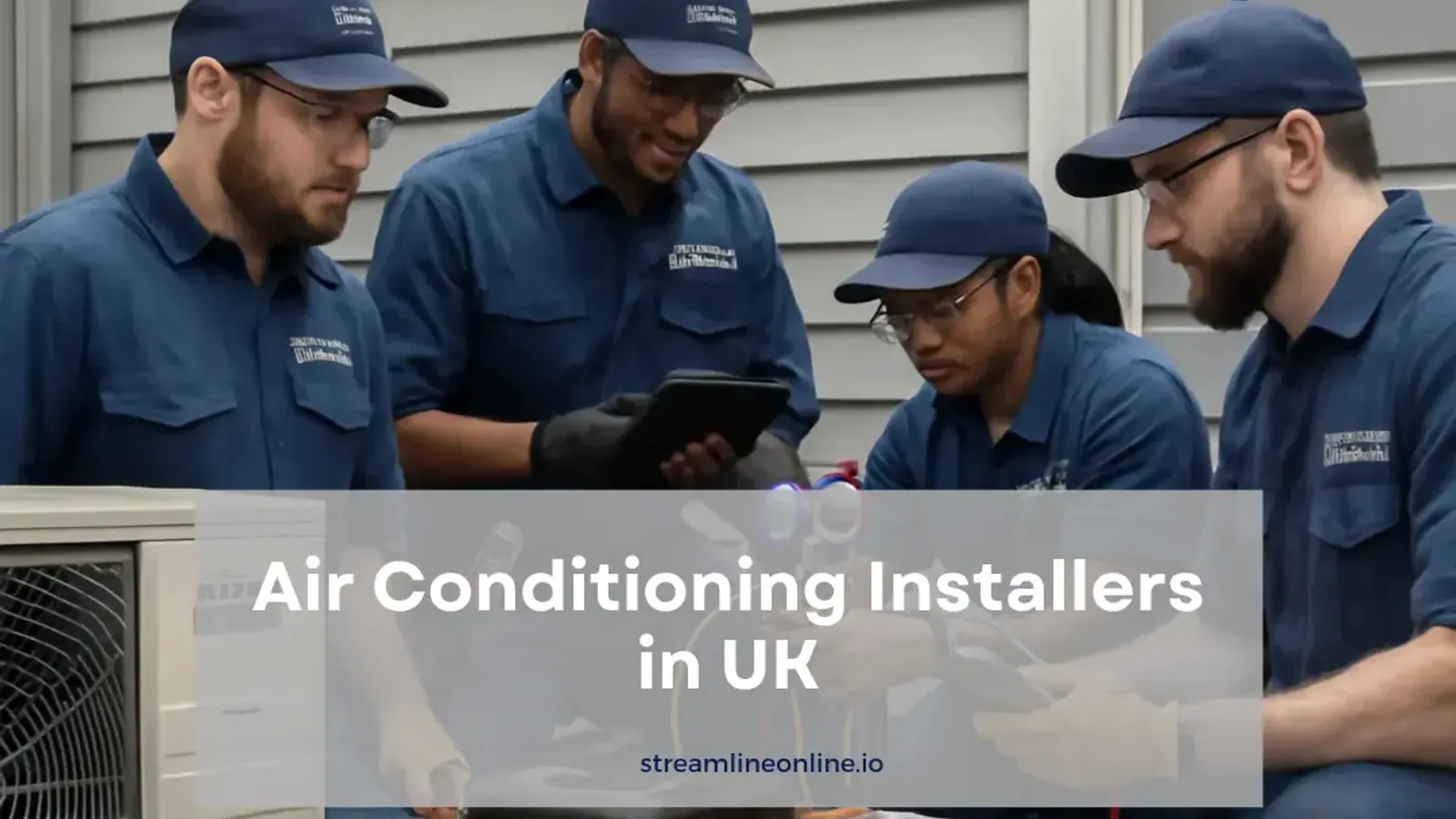
Air Source Heat Pump Engineers Near Me: Your Complete Guide to Finding the Right Professional
Thinking about switching to an air source heat pump but not sure where to start? You're not alone. As energy costs continue to rise and more homeowners seek sustainable heating solutions, finding qualified air source heat pump engineers near me has become one of the most searched queries in home improvement. But here's the thing: choosing the right engineer isn't just about finding someone close by. It's about finding a certified professional who can properly assess your property, recommend the right system, and install it correctly the first time. A poorly installed heat pump can cost you thousands in wasted energy and repairs, while a professional installation can slash your heating bills by up to 50% and keep your home comfortable year-round. In this guide, we'll walk you through everything you need to know about finding, vetting, and hiring the best air source heat pump engineers in your area.
What Are Air Source Heat Pumps and Why You Need a Professional Engineer
Air source heat pumps (ASHPs) are innovative heating and cooling systems that extract heat from the outside air and transfer it into your home, even when temperatures drop below freezing. Unlike traditional boilers that burn fuel to create heat, ASHPs use electricity to move existing heat, making them incredibly efficient and environmentally friendly.
However, installing an ASHP isn't a DIY weekend project. These systems require specialized knowledge of refrigerant handling, electrical work, building regulations, and heat load calculations. A qualified air source heat pump engineer brings years of training and certification to ensure your system is sized correctly, positioned optimally, and integrated seamlessly with your existing heating infrastructure.
Professional engineers can assess your home's insulation, calculate the exact heating requirements for each room, and determine whether you need additional upgrades like larger radiators or underfloor heating. They'll also handle all necessary permits and ensure compliance with local building codes, protecting you from potential legal issues and ensuring your system qualifies for any available government incentives or grants.
How to Find Qualified Air Source Heat Pump Engineers Near You
Finding reliable air source heat pump engineers near me requires more than a quick Google search. Start by looking for engineers certified by recognized industry bodies. In the UK, check for MCS (Microgeneration Certification Scheme) certification, which is essential for accessing government grants. In the US, look for NATE (North American Technician Excellence) certification or EPA Section 608 certification for refrigerant handling.
Your local utility company often maintains lists of approved contractors who specialize in heat pump installations. Many energy providers also offer rebate programs and can recommend engineers who are familiar with the specific paperwork and requirements needed to claim these incentives.
Online platforms like Checkatrade, Trustpilot, or Angie's List provide verified reviews from real customers. Pay attention to reviews that mention punctuality, cleanliness, communication, and post-installation support. Don't just look at the star rating—read what people actually say about their experience.
Word-of-mouth recommendations remain invaluable. Ask neighbors, friends, or family members who've recently installed heat pumps about their experiences. Local community groups on Facebook or Nextdoor can be goldmines for honest recommendations and warnings about companies to avoid.
Request quotes from at least three different engineers. During the consultation, assess their professionalism: Do they conduct a thorough site survey? Do they ask detailed questions about your heating needs and lifestyle? Do they explain different options clearly? A quality engineer will spend time understanding your specific situation rather than pushing a one-size-fits-all solution.
Key Qualifications and Certifications to Look For
Not all heating engineers are qualified to install air source heat pumps. The technology is specialized, and proper certification is crucial for both performance and safety. Here are the essential qualifications your engineer should have:
Industry Certifications: MCS certification (UK) is non-negotiable if you want to access government grants like the Boiler Upgrade Scheme. This certification ensures the engineer meets rigorous standards for design, installation, and commissioning. In other regions, look for equivalent recognized certifications specific to renewable heating systems.
Refrigerant Handling Licenses: Air source heat pumps contain refrigerant gases that require special handling. Your engineer must hold valid F-Gas certification (UK/EU) or EPA Section 608 certification (US) to legally work with these systems.
Electrical Qualifications: Heat pumps require complex electrical work. Ensure your engineer is qualified to carry out electrical installations and is registered with the appropriate electrical safety organization.
Insurance Coverage: Always verify that the engineer carries both public liability insurance and professional indemnity insurance. This protects you if something goes wrong during or after installation.
Manufacturer Training: Many heat pump manufacturers offer specialized training for their specific systems. An engineer trained on the exact brand they're installing is more likely to configure it optimally and troubleshoot any issues efficiently.
Don't be shy about asking to see proof of these qualifications. Reputable engineers will happily provide documentation and may even display their certifications on their website or van.
Understanding Costs and Getting Accurate Quotes
The cost of hiring air source heat pump engineers near me varies significantly based on your location, property size, and system complexity. In the UK, expect to pay between £7,000 and £13,000 for a complete installation, including the unit and labor. In the US, costs typically range from $15,000 to $25,000 before incentives.
A detailed quote should itemize several components: the heat pump unit itself, any additional equipment (buffer tanks, hot water cylinders), labor costs, materials, electrical work, any necessary upgrades to your existing heating system, and post-installation commissioning and testing.
Be wary of quotes that seem too good to be true—they usually are. Extremely low quotes might indicate the engineer is cutting corners, using inferior equipment, or isn't properly insured. Conversely, the most expensive option isn't always the best. Focus on value: What does the quote include? What warranty is offered? What post-installation support is provided?
Ask about payment terms. Reputable engineers typically request a deposit (usually 10-30%) with the balance due upon completion. Be cautious of anyone demanding full payment upfront.
Inquire about available incentives, grants, and rebates. A knowledgeable engineer should be able to guide you through these programs and help you maximize your savings. In the UK, the Boiler Upgrade Scheme offers grants of £7,500 towards heat pump installations. The US offers federal tax credits of up to 30% of the installation cost through the Inflation Reduction Act, plus numerous state and local incentives.
What to Expect During Installation and Beyond
Understanding the installation process helps you prepare your home and set realistic expectations. A typical air source heat pump installation takes between two to five days, depending on system complexity and any necessary upgrades to your existing heating infrastructure.
Pre-Installation: Your engineer should conduct a comprehensive heat loss survey to calculate your home's exact heating requirements. They'll assess your property's insulation, windows, current heating system, and available space for the outdoor unit.
Installation Day: The outdoor unit will be positioned on a concrete base or wall brackets, typically away from bedrooms to minimize noise. Indoor components—including the control panel, hot water cylinder, and any buffer tanks—will be installed and connected. The engineer will integrate the system with your existing radiators or underfloor heating.
System Commissioning: After physical installation, the engineer will carefully commission the system, setting optimal flow temperatures, programming controls, and thoroughly testing all components. This critical step ensures maximum efficiency and comfort.
Handover: A professional engineer will spend time showing you how to operate your new system, explaining the controls, and providing guidance on optimal settings for different weather conditions.
Post-Installation Support: Quality engineers offer ongoing support, typically including at least one follow-up visit to check performance and answer any questions. Ask about their warranty terms and emergency call-out procedures.
Expect some adjustment time. Heat pumps work differently from traditional boilers, running at lower temperatures for longer periods. Your engineer should help you understand this new heating pattern and optimize settings for your lifestyle.
Conclusion
Finding the right air source heat pump engineers near me is a crucial investment in your home's comfort, energy efficiency, and environmental footprint. By focusing on proper qualifications, thorough research, and detailed quotes, you can ensure a smooth installation experience and years of reliable, cost-effective heating. Remember that the cheapest option isn't always the best value—prioritize experience, certification, and customer reviews when making your decision. With the right engineer, your air source heat pump can deliver exceptional performance, significant energy savings, and a reduced carbon footprint for decades to come. Ready to make the switch? Start reaching out to certified engineers in your area today, request those detailed quotes, and take the first step toward a more sustainable, efficient home.
Frequently Asked Questions
Q: How do I know if an air source heat pump engineer is properly certified and trustworthy?
A: Verify that the engineer holds relevant certifications such as MCS certification (UK), NATE certification (US), F-Gas or EPA refrigerant handling licenses, and appropriate electrical qualifications. Check their online reviews on platforms like Trustpilot or Checkatrade, ask for references from recent customers, and ensure they carry comprehensive insurance coverage. A trustworthy engineer will happily provide proof of qualifications and won't pressure you into making immediate decisions.
Q: What questions should I ask when getting quotes from air source heat pump installation companies near me?
A: Ask about their experience with your specific property type, what warranties they offer on both equipment and labor, what the total cost includes (labor, materials, permits, upgrades), their expected timeline for completion, what post-installation support they provide, and whether they'll handle grant or incentive applications. Also inquire about their approach to sizing the system and whether they conduct a detailed heat loss survey.
Q: How long does it typically take to install an air source heat pump, and will my heating be disrupted?
A: Most installations take between two to five days, depending on complexity and any necessary modifications to your existing heating system. Your engineer should plan the work to minimize disruption, potentially scheduling during warmer months or ensuring you have temporary heating if working during winter. Experienced engineers can often keep parts of your heating system operational during the installation process.
Q: Are local air source heat pump engineers more expensive than national companies?
A: Not necessarily. While national companies might offer competitive pricing due to volume, local engineers often provide more personalized service, faster response times for ongoing maintenance, and better understanding of local building regulations and climate conditions. Compare quotes from both local and national providers, but consider factors beyond price, such as reputation, accessibility, and post-installation support when making your decision.
Q: What ongoing maintenance will my air source heat pump need, and should I use the same engineer who installed it?
A: Air source heat pumps require annual servicing to maintain efficiency and warranty coverage. This includes checking refrigerant levels, cleaning filters, inspecting electrical connections, and testing system performance. Using the same engineer who installed your system has advantages—they're familiar with your specific setup and installation details. However, any qualified, certified heat pump engineer can perform maintenance. Establish a maintenance contract for convenience and potential cost savings.
More articles
View all
Burglar Alarm Servicing Near Me: The Importance of Regular Maintenance
An un-serviced burglar alarm is a liability. Regular maintenance is key to preventing false alarms and ensuring it works when you need it most. This guide simplifies finding a professional for "burglar alarm servicing near me."

Burglar Alarm Installers Near Me: Your Guide to a Secure Home
A burglar alarm is a powerful deterrent against intruders. For maximum effectiveness and reliability, professional installation is key. Our guide to finding the best "burglar alarm installers near me" connects you with certified and trustworthy security experts.

Builders Near Me: The Ultimate Guide to Finding Your Perfect Contractor
Undertaking a building project is a significant investment. Our comprehensive guide simplifies the process of finding the best "builders near me," ensuring you connect with trusted, qualified, and reliable contractors for a successful project.